
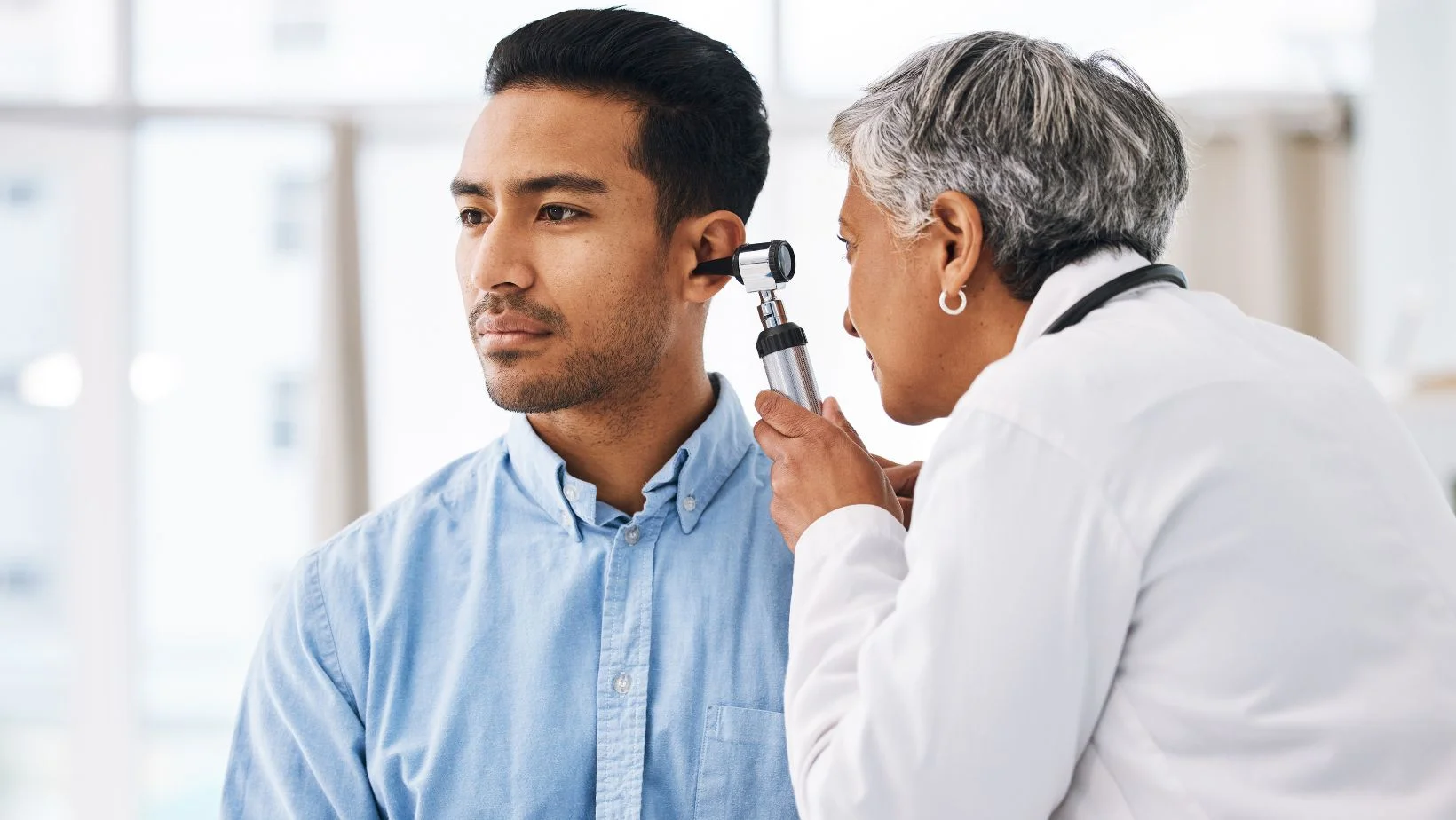
Most people rarely pause to think about their hearing—until everyday sounds start to slip away or conversations become harder to follow. Because hearing loss can develop gradually, it’s easy to miss the early signs. That’s why regular hearing tests are an important part of maintaining your overall health. But how often should you get your hearing checked? In this blog post, you’ll find clear guidance on when to schedule a hearing test based on your age and risk factors, along with key signs to look out for and reasons to see a hearing professional regularly.
Why Regular Hearing Tests Matter
Your hearing plays a vital role in how you connect with the world around you. It affects not just how you communicate, but also your cognitive health, sense of balance, and emotional well-being. Regular hearing tests help detect even subtle changes early, allowing for timely treatment or preventative measures before issues progress.
Addressing hearing loss early can make a meaningful difference—studies have linked untreated hearing loss to increased risks of dementia, depression, and social isolation. By staying proactive about your hearing health, you’re taking an important step toward maintaining your independence, confidence, and overall quality of life.
How Often Should You Get a Hearing Test?
The recommended frequency for a professional hearing assessment varies by age and lifestyle. Here is a simple breakdown to help guide you.
Infants and Young Children (Birth–5 years)
In Canada, newborn hearing is typically screened at birth in the hospital. For children aged 1–5, follow-up screenings are recommended during regular health checkups, especially if any delays in speech, language, or responsiveness appear. Catching hearing problems early is key to healthy speech and social development.
School-Aged Children and Teens (6–17 years)
A hearing screening every 2–3 years is a good rule of thumb for this age group. Consider more frequent testing if your child experiences recurring ear infections, has significant allergies, or often uses headphones at high volumes. An undiagnosed hearing issue can affect their ability to focus, learn, and interact with friends at school.
Adults (18–50 years)
It’s wise to get a baseline test in your early adulthood. After that, plan for a check-up every 3–5 years if you don’t have any symptoms. You should schedule an appointment sooner if you notice ringing in your ears, muffled sounds, or find yourself frequently turning up the volume on your devices.
Adults (50+)
Age-related hearing loss, known as presbycusis, becomes much more common after 50. We recommend scheduling a hearing assessment every year to monitor any changes and address them promptly.
Individuals with Risk Factors (Any Age)
Some circumstances increase your risk of developing hearing issues. You should test annually or as advised by your audiologist if you:
- Work in noisy environments (e.g., construction, manufacturing, music).
- Regularly use earbuds at high volumes or attend loud concerts.
- Have a family history of hearing problems.
- Live with medical conditions like diabetes or cardiovascular disease.
Signs It’s Time to See a Hearing Professional
If you notice any of the following signs, it’s time to book an appointment, regardless of your age.
- You frequently ask people to repeat themselves.
- You turn up the TV or music volume louder than others prefer.
- You have difficulty following conversations in noisy places.
- You experience a constant ringing or buzzing in your ears (tinnitus).
Take Control of Your Hearing Health
Scheduling regular hearing tests is one of the simplest yet most powerful ways to protect your overall health and quality of life. By following these guidelines, you can catch changes early, address potential issues promptly, and continue enjoying the sounds that make everyday life meaningful.
Don’t wait until hearing loss becomes obvious—take charge today and schedule your hearing check-up with Total Hearing Centre to stay proactive about your hearing health.